Treating pine wood for outdoor use: protection and appearance in one
Treating pine wood outdoors requires extra protection against the elements. Read how to sustainably protect pine wood and prevent premature graying.
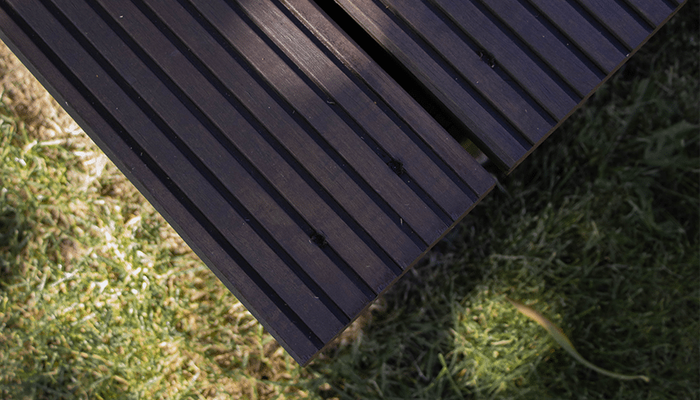
What you need for this tutorial;
Pine is a popular type of wood for outdoor projects such as fences, garden tables, planters, and cladding. It is affordable, easy to work with, and has a warm, natural appearance. However, pine is naturally a softwood with a relatively short lifespan if left untreated. Especially outdoors, where sun, moisture, and temperature fluctuations have free rein, proper protection is essential.
In this article, you will read exactly how to treat pine for outdoor use, with advice on suitable products, preparation, a step-by-step plan, and the best way to maintain the wood.
Preparation: treating pine wood for outdoor use
Proper preparation ensures that oil adheres better and lasts longer. Depending on the condition of the wood, follow these steps:
1. Sanding
Has the wood been treated with paint, varnish, or stain before? Then sand it thoroughly with grit 40, 80, and then 120. This removes old layers and opens the pores of the wood.
2. Oiled wood
Has the pine been oiled before? Then first create a test area to check if the new oil is absorbed well. In most cases, you can get started immediately without sanding.
3. Grayed or soiled wood
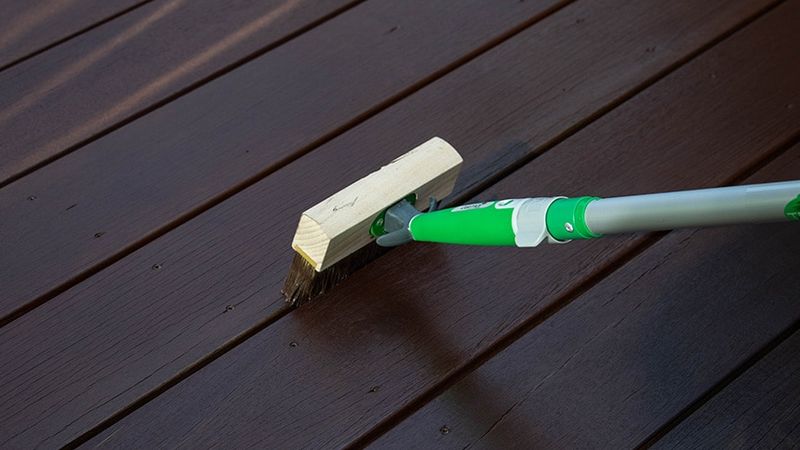
Is the wood grayed or soiled by weathering? Then first use Osmo Power-Gel Wood De-grayer in combination with an Osmo Patio Brush to restore the wood's original color. Let it dry thoroughly before proceeding.
💡 Tip: always use a sample to test the final result beforehand.
Step-by-step plan: oiling pine wood for outdoor applications
Follow these steps to properly treat your pine wood with oil, depending on the type of surface:
Choose the right product
- Osmo UV Protection Oil: for vertical surfaces such as fences, cladding, or doors.
- Osmo Patio Oil: for horizontal surfaces such as decking, garden furniture, and tables.
- Osmo Power Gel: as a preparatory step for weathered wood.
Both oils have an oil-based formula that penetrates deep into the wood, protects against UV radiation, moisture, and dirt, and leaves the wood grain visible.
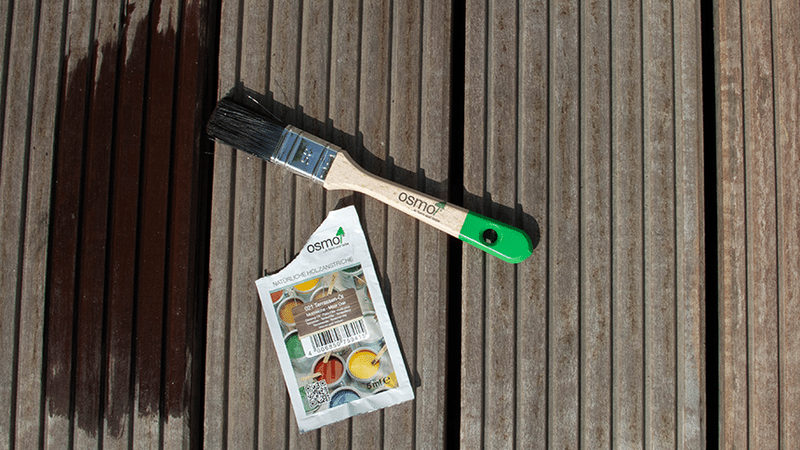
Apply the first layer of oil
Use a block brush and work along the direction of the wood grain. Apply a thin, even layer. Ensure that the end grain is also treated, as it absorbs extra moisture.
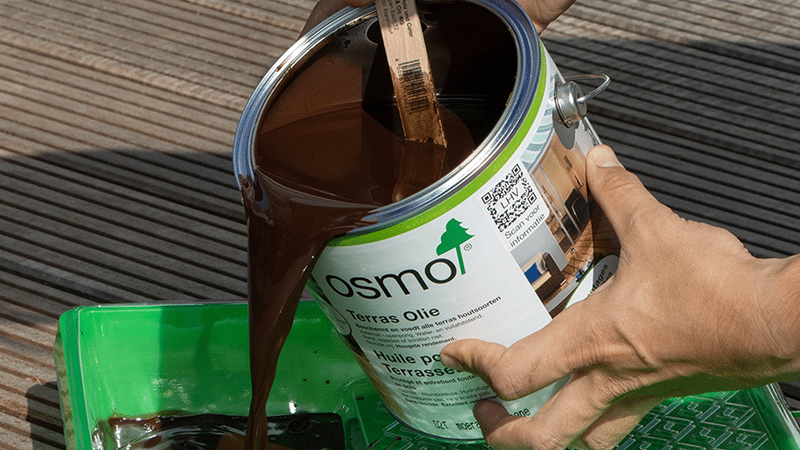
Let dry
Allow the oil to dry for 8 to 12 hours at a dry, mild temperature. Ensure that the surface is not exposed to rain or moisture during drying.
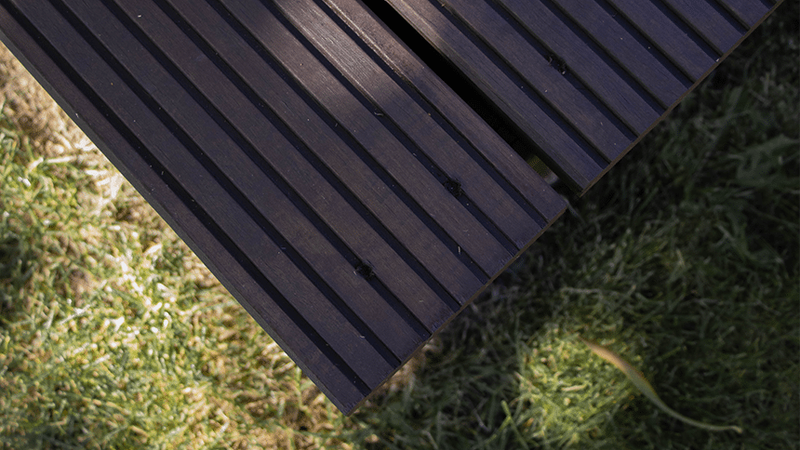
Apply a second coat
For long-lasting protection and a beautiful, even finish, apply a second thin layer of oil. Allow this to dry thoroughly as well.
Benefits of Osmo oil products for outdoor use
Treating outdoor pine wood with Osmo UV Protection Oil or Deck Oil offers a number of clear benefits:
- Deep protection: the oil penetrates deep into the wood and protects from the inside out.
- UV-blocking components prevent graying caused by sunlight.
- Natural appearance: the wood grain remains visible.
- No sanding required for maintenance: touch-ups are quick and easy.
- Water- and dirt-repellent, extending the lifespan of the wood.
Tips
Tips for the best results
- Also treat the end grain of pine planks. These are particularly sensitive to moisture.
- Work in dry conditions, preferably between 10 and 25°C.
- Use a sample to test the color and finish beforehand.
Supplies
Color examples
- Osmo outdoor oil products are available in various shades. This allows you to choose a color that stains and protects the wood, while the natural wood grain remains visible.
- Transparent or light-colored: preserves the original appearance of pine wood.
- Dark shades: provide a different look, but still with visible wood grain.
- Oil gives the wood a slight sheen and enhances the characteristic appearance of pine.
UV Protection Oil: for vertical wooden parts
Terrace Oil: for horizontal wood parts
Maintenance of treated pine wood outdoors
To keep the treated wood in good condition, follow these maintenance tips:
- Clean twice a year with Osmo Patio Cleaner, especially for green deposits or dirt.
- Check annually whether the oil still provides sufficient protection.
- Has the wood turned grey again? Then use the Osmo Power-Gel again.
- Touch-ups can be done without sanding: re-oiling immediately is sufficient.
Frequently asked questions
This tutorial belongs to
What you need for this tutorial;
Need help with your DIY project?
Are you looking for a tutorial or do you have a technical question?
DIY help needed?
find a step-by-step guide for your project in our tutorial overview